Nutrition claims, checked against the actual research.
Smart Plate is where a nutrition claim gets read against the primary study before it gets repeated — myths, trends, and supplement hype included.
Latest fact-check
The claim
“Taking a daily multivitamin prevents heart disease and cancer”
The largest trial found no cardiovascular benefit and only a modest cancer-incidence reduction in one group — a major guidelines review calls the evidence insufficient overall.
This week’s deep dive

Is Seed Oil Actually Bad for You?
The 'seed oils are toxic' claim leans hard on a mechanism. The large cohort studies that actually measured outcomes tell a different story.
Science
See all →Is Seed Oil Actually Bad for You?
The 'seed oils are toxic' claim leans hard on a mechanism. The large cohort studies that actually measured outcomes tell a different story.
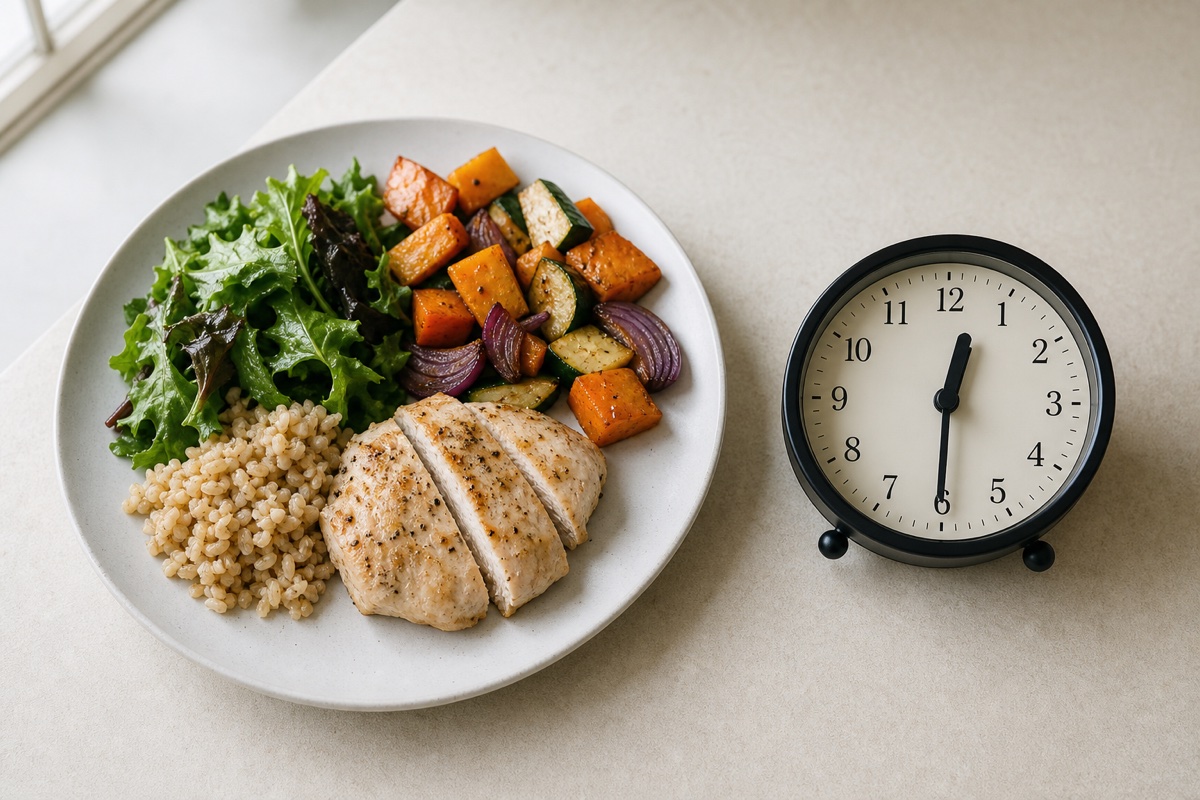
Does Meal Timing Matter for Weight Loss?
Time-restricted eating has a genuine mechanistic story behind it. The best controlled trial on it found something more modest than the marketing.

Do Multivitamins Actually Work?
A daily multivitamin is one of the most common supplements on earth. The trial evidence for what it actually does is much smaller than the market for it.
Trends
See all →
Intermittent Fasting
An umbrella term for eating patterns that restrict eating to specific windows or days — most commonly 16:8 daily time-restricted eating, or 5:2 (two reduced-calorie days per week) — marketed for weight loss and broader metabolic and longevity benefits beyond simple calorie reduction.

Collagen Supplements
Hydrolysed collagen powder or capsules, marketed for skin elasticity, joint comfort, and 'anti-aging' benefits, usually sourced from bovine or marine collagen and broken down into peptides for absorption.

Creatine for Non-Athletes
Daily creatine monohydrate supplementation, historically a strength-athlete staple, now marketed broadly for general health, cognition, and healthy aging in people who don't lift competitively at all.
Myths
See all →
"Taking a daily multivitamin prevents heart disease and cancer"
The largest trial found no cardiovascular benefit and only a modest cancer-incidence reduction in one group — a major guidelines review calls the evidence insufficient overall.

"Coffee dehydrates you"
At normal intake, coffee's mild diuretic effect is offset by its own fluid volume — a controlled trial found no hydration difference between coffee and water drinkers.

"Carbs are bad for you"
Depends on quality and quantity: refined carbs in excess track with worse outcomes in cohort studies, fibre-rich carbs track with better ones — 'carbs' isn't one category.
Research
See all →
What a Creatine and Cognition Review Actually Found
A systematic review of RCTs found creatine supplementation gave modest cognitive benefits, most consistently under cognitive stress like sleep deprivation, or in people with lower baseline creatine stores, such as vegetarians.
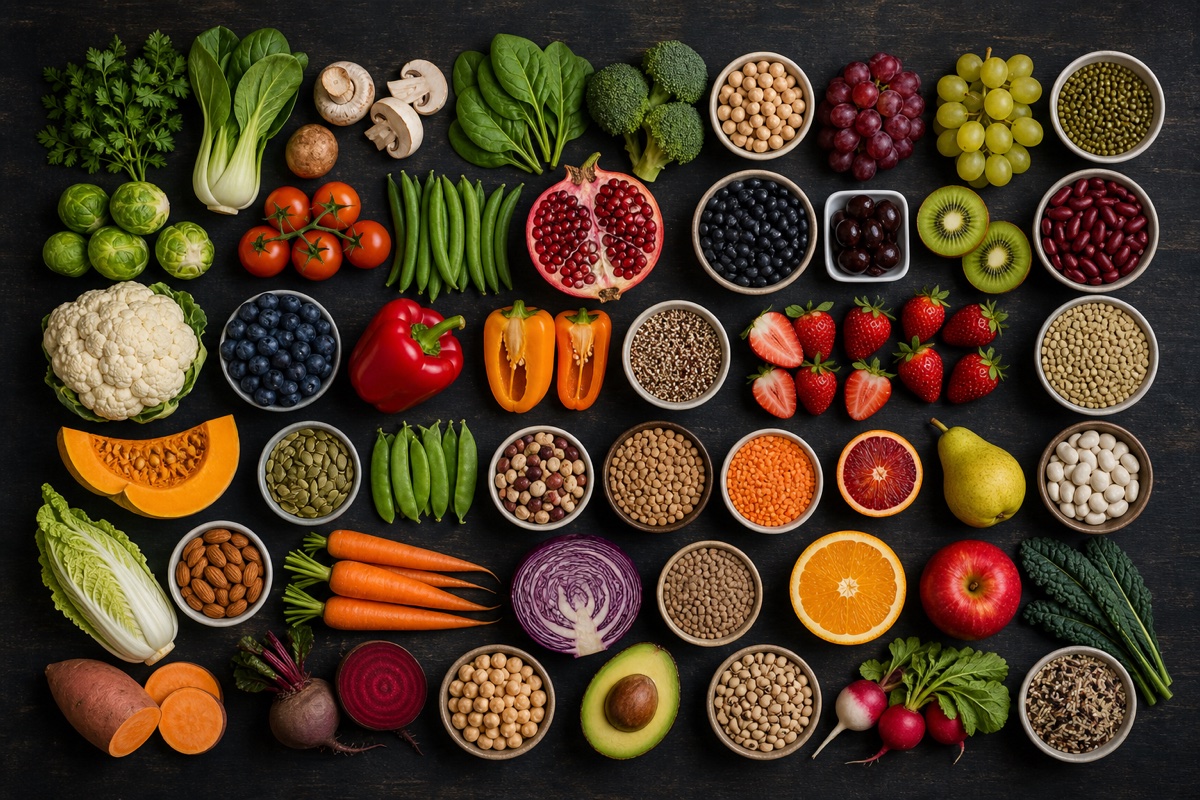
What the American Gut Project Actually Found About Plant Diversity
People who reported eating more than 30 different plant species per week had significantly more diverse gut microbiomes than people eating 10 or fewer — regardless of whether they identified as vegan, vegetarian, or omnivore.

What the TREAT Trial Actually Found About Time-Restricted Eating
Over 12 weeks, 16:8 time-restricted eating produced no statistically significant weight-loss advantage over a standard three-meals-a-day pattern, once the modest calorie reduction that occurred naturally in the time-restricted group was accounted for.
Browse by topic

Alex Busse is a nutritionist who reads the primary research before repeating a claim — he opens the paper before passing the claim on. About Alex ·How this is fact-checked
Not medical advice — general information based on published research.Full disclaimer →