Science Deep Dives
Long-form evidence breakdowns on the questions that actually have research behind them — how much protein you need, whether seed oils deserve the pile-on, what caffeine really does to your sleep. Every claim traces to a cited source, graded by how strong that evidence actually is.

Is Seed Oil Actually Bad for You?
The 'seed oils are toxic' claim leans hard on a mechanism. The large cohort studies that actually measured outcomes tell a different story.
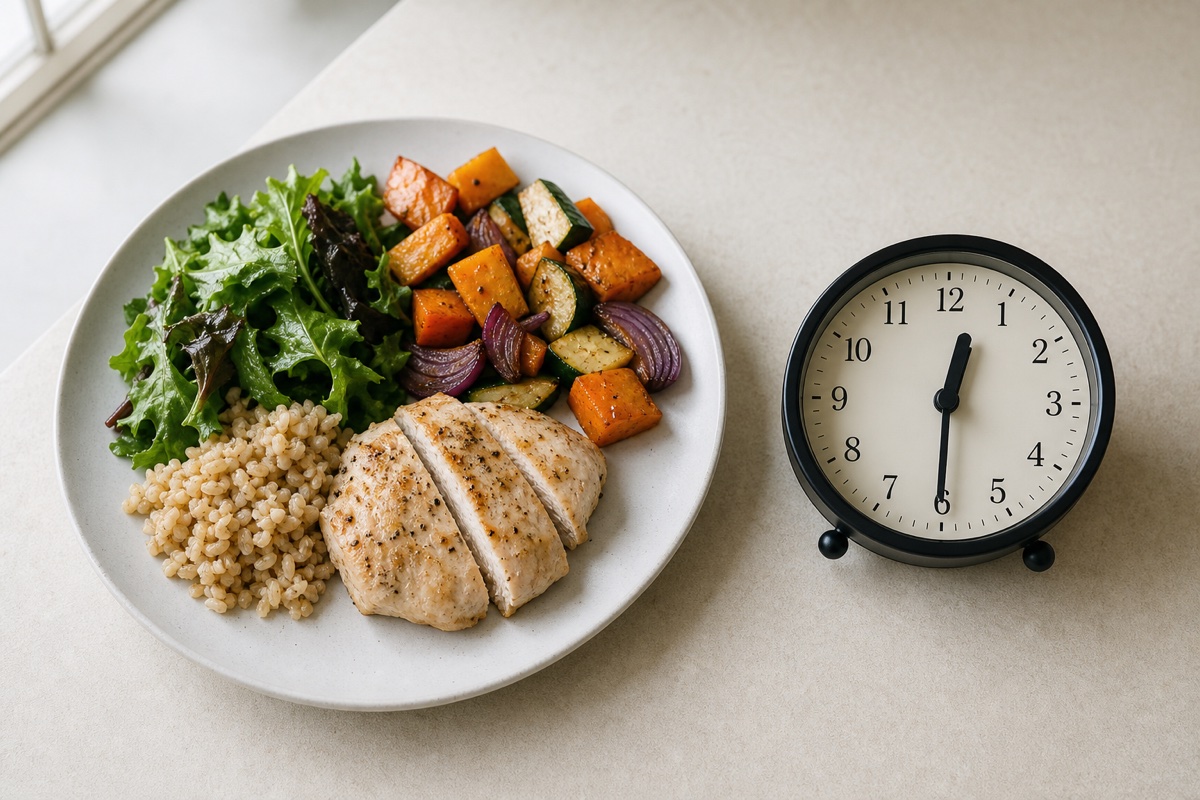
Does Meal Timing Matter for Weight Loss?
Time-restricted eating has a genuine mechanistic story behind it. The best controlled trial on it found something more modest than the marketing.
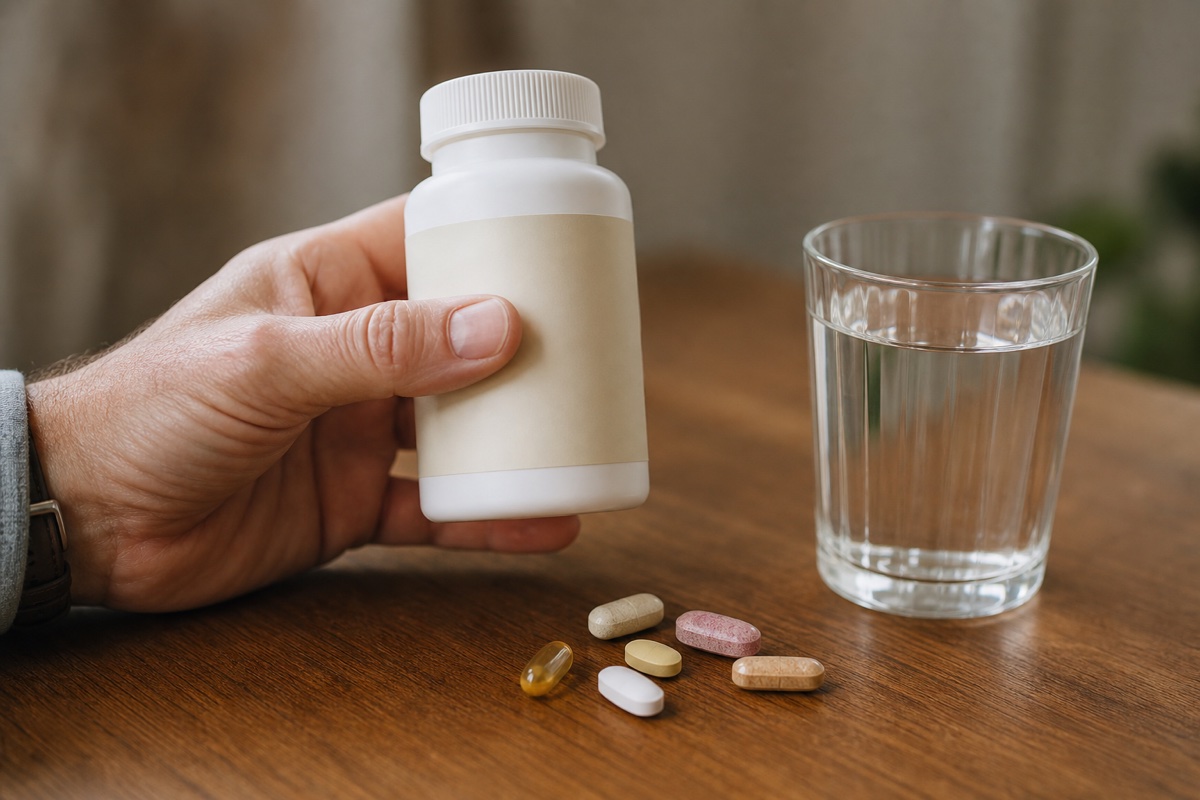
Do Multivitamins Actually Work?
A daily multivitamin is one of the most common supplements on earth. The trial evidence for what it actually does is much smaller than the market for it.

Nutrition Science for Creatives: What Actually Helps You Focus During Deep Work
Freelancers and knowledge workers get worse nutrition advice than athletes do. Here's what the cognition research actually supports for a working day, not a training block.

Does Gut Health Affect Mood? What Fibre Diversity Actually Predicts
Gut-brain axis marketing outran the microbiome research years ago. Here's what a 10,000-person citizen-science study actually found about plant diversity.

Do Nootropics Actually Work?
Some compounds marketed as nootropics have real trial support. Most of the 'stack' culture around them doesn't. Here's the difference.

Best Foods and Drinks for Focus
Most 'brain food' content is aesthetic. This is the actual evidence on caffeine, glucose, and attention.

Does Caffeine Affect Sleep? The Half-Life Problem
Caffeine's half-life is longer than most people plan around — here's the trial that measured a 6pm coffee's effect on sleep at midnight.

How Much Water Should You Actually Drink?
The 'eight glasses a day' rule has no real origin in the physiology literature. Here's what actually determines your water needs.
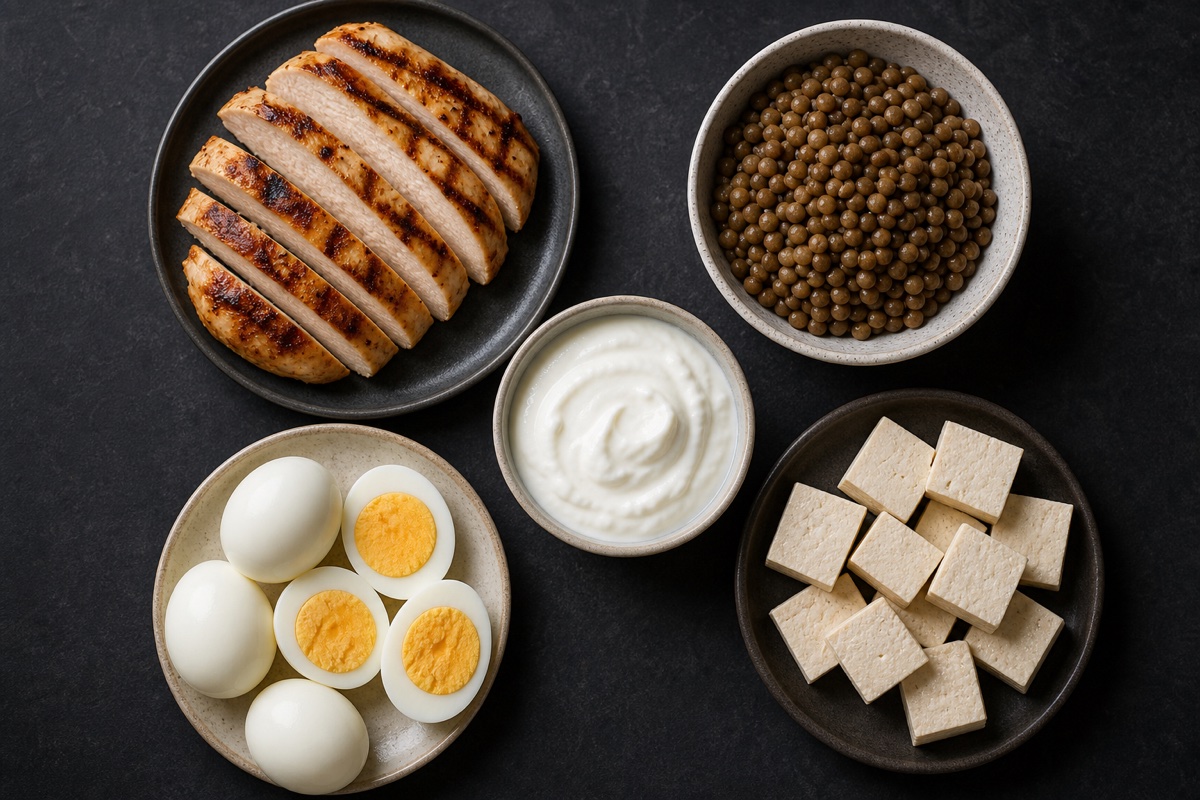
How Much Protein Do You Actually Need?
Not the 25g-every-three-hours number the supplement industry sells you — here's what the dose-response trials actually show.