Research Summaries
One study doesn’t settle anything. Here’s what the actual studies say, plainly — including what they don’t tell us, because that part matters just as much as the finding.

What a Creatine and Cognition Review Actually Found
A systematic review of RCTs found creatine supplementation gave modest cognitive benefits, most consistently under cognitive stress like sleep deprivation, or in people with lower baseline creatine stores, such as vegetarians.
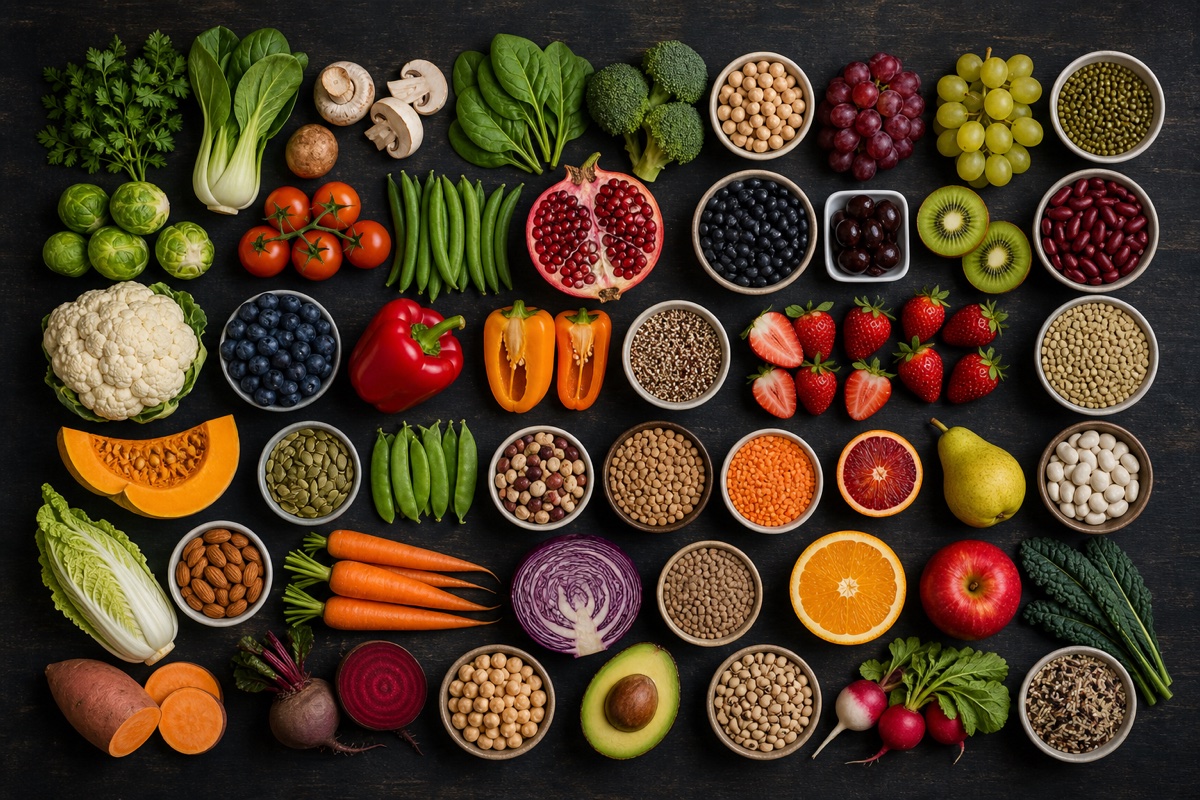
What the American Gut Project Actually Found About Plant Diversity
People who reported eating more than 30 different plant species per week had significantly more diverse gut microbiomes than people eating 10 or fewer — regardless of whether they identified as vegan, vegetarian, or omnivore.

What the TREAT Trial Actually Found About Time-Restricted Eating
Over 12 weeks, 16:8 time-restricted eating produced no statistically significant weight-loss advantage over a standard three-meals-a-day pattern, once the modest calorie reduction that occurred naturally in the time-restricted group was accounted for.
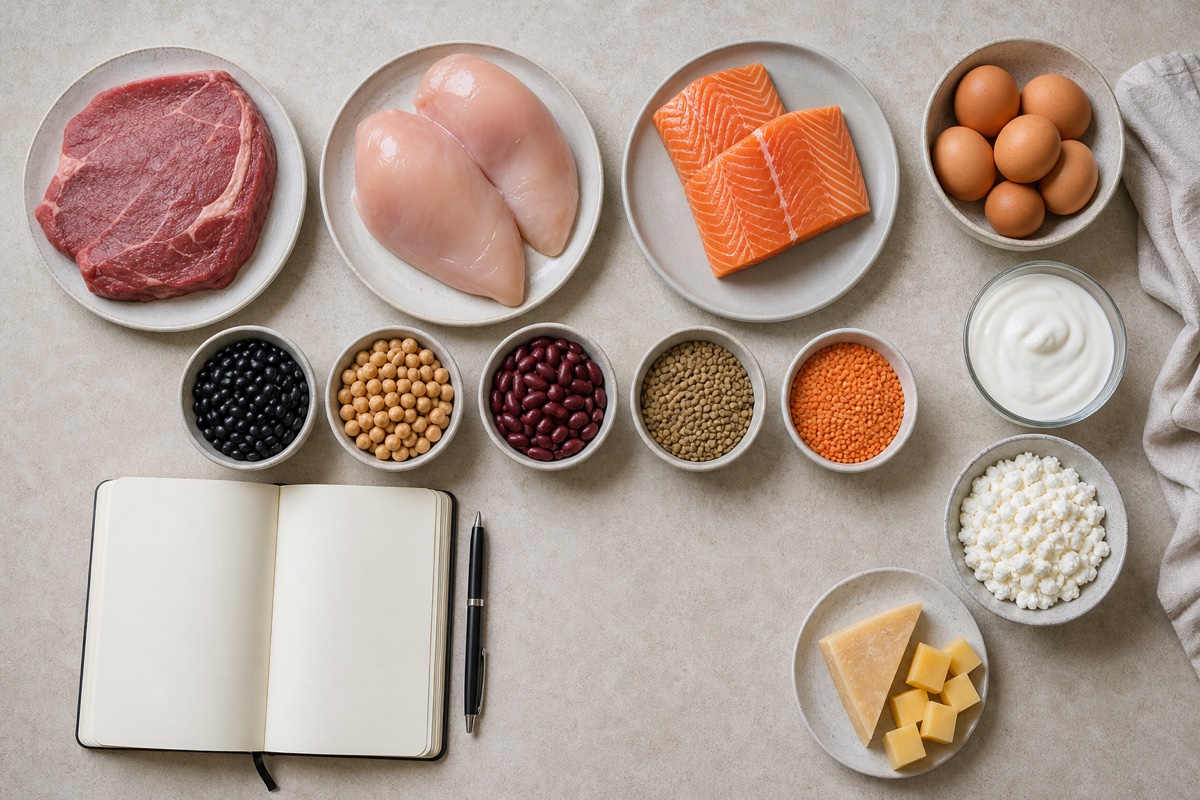
What the Biggest Protein Meta-Analysis Actually Found
Pooling 49 studies and modelling the actual dose-response curve, this meta-regression found the muscle-building benefit of additional dietary protein plateaued at around 1.6g per kilogram of bodyweight per day — more protein above that point bought very little extra muscle gain in the pooled data.